%2Ffit-in%2F250x250%2Fguide_websites%2F54299%2Fimages%2F1787802244601image-aug-13-2026-10-27-03-0606-pm.png&w=1920&q=100)
/users/b1d1b53d-e998-411c-8c29-1b15b21f4256/ratecard/snapinsta.to_650972638_17881316700473738_3731752327612599120_n-mtb594ju.jpg)
%2F300x300%2Fusers%2Fb1d1b53d-e998-411c-8c29-1b15b21f4256%2Fratecard%2Fsnapinsta.to_650972638_17881316700473738_3731752327612599120_n-mtb594ju.jpg&w=256&q=75)
%2F300x300%2Fusers%2Fb1d1b53d-e998-411c-8c29-1b15b21f4256%2Fimages%2Foregon-river-fishing-boat-bait-4352.png&w=256&q=75)
%2F300x300%2Fusers%2Fb1d1b53d-e998-411c-8c29-1b15b21f4256%2Fimages%2Foregon-rainbow-trout-bait-casting-8818.png&w=256&q=75)
Full-Day Winter Steelhead Pursuit
 Oregon
What you will be catching:
 Chinook Salmon
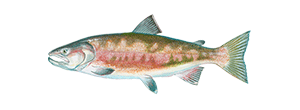 Chum Salmon
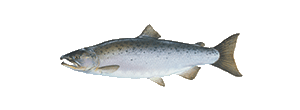 Coho Salmon
 Steelhead Trout
- Eight-hour winter steelhead fishing adventure with strong fish
- Exclusive February-March cold-weather fishing season opportunity
- Single-guest capacity ensures personalized professional guide attention
Trip Pricing and Availabilities:
Full-Day Winter Steelhead Pursuit
When winter settles in and most folks hang up their rods, that's when steelhead fishing really comes alive. This full-day pursuit with Sovrn Sky Outfitters is built for anglers who understand that the best catches don't come easy – they come to those willing to work for them. You'll spend eight focused hours on the water during peak steelhead season, from February through March, when these chrome-bright fish are at their most aggressive. At $300 per person for a single-angler experience, you're getting undivided attention from your guide and the best shot at connecting with one of freshwater fishing's most prized catches.
What to Expect on the Water
This isn't your typical summer fishing trip where you kick back and wait for bites. Winter steelhead fishing demands patience, persistence, and a willingness to adapt as conditions change throughout the day. Your guide knows these waters intimately and will move you between productive runs, adjusting techniques based on water levels, weather, and fish behavior. The extended eight-hour format gives you real time to work the water properly – steelhead don't punch a time clock, and neither will you. Some days they're aggressive in the morning, other days the afternoon bite is what saves the trip. With a full day, you're covered either way. The one-angler capacity means you won't be competing for prime water or sharing your guide's attention. Every cast, every drift, every adjustment is focused on putting you on fish.
Techniques and Gear
Your guide will tailor the approach based on current conditions, but expect to use proven steelhead techniques that have been putting fish on the bank for decades. Drift fishing with bait, pulling plugs, and swinging flies are all in the playbook depending on what the fish are telling you. You'll work deeper holes early in the day when water temps are coldest, then shift to faster runs as the sun warms things up. The gear setup varies with technique – long rods for better line control when drift fishing, shorter setups for precise plug pulling. Your guide carries backup gear and knows exactly what pound test and hook sizes work best in these waters. Winter steelhead are notorious for testing your drag system, so everything gets checked and double-checked before you make your first cast. The key is reading the water and adjusting your presentation until you find what triggers strikes.
Top Catches This Season
Steelhead trout are the main event here, and for good reason. These sea-run rainbows return to freshwater with attitude and muscle built from ocean living. A typical winter steelhead runs 6-12 pounds of pure fight, with some pushing into the teens. They hit hard, jump high, and test every knot in your setup. What makes them special isn't just their size – it's their unpredictability. You might work a run for two hours with nothing, then hook three in thirty minutes. February and March represent peak season when fresh fish are pushing upstream and actively feeding. The chrome-bright ones that just left saltwater are absolute rockets when they feel the hook.
Coho salmon add another dimension to your day, especially early in the season. These silver bullets average 8-15 pounds and are known for spectacular aerial displays when hooked. They're more predictable than steelhead in their feeding patterns but no less exciting when they decide your offering looks like dinner. Coho respond well to bright presentations and tend to school up, so when you find one, there are usually more nearby.
Chinook salmon are the heavyweights of the operation. These king salmon can push 20+ pounds and fight with the kind of power that makes your reel scream. They're less common than the other species but worth every minute spent pursuing them. When a big chinook takes your bait, you know it immediately – there's no mistaking that head-shaking power for anything else. They prefer deeper water and stronger current, which means your guide will position you in the most productive runs.
Chum salmon round out the target species list and shouldn't be overlooked. While they don't get the same press as their cousins, a winter chum on light tackle provides plenty of entertainment. They're aggressive feeders and often save the day when other species are being finicky. Don't let their reputation fool you – a fresh chum will give you a memorable fight.
Time to Book Your Spot
Winter steelhead season is short and sweet, running only from February 1st through March 31st. That narrow window means prime dates fill up fast with anglers who understand what makes this fishery special. The cold-weather commitment keeps the crowds thin, but it also means you're competing with serious anglers for the best dates. Your guide can't guarantee catches – that's just the honest truth about steelhead fishing – but they can guarantee you'll fish the right water with the right techniques at the right time of year. This single-angler format books up quickly because guides can only take so many trips during the short season. If you've been thinking about a dedicated steelhead pursuit, this is your chance to fish with undivided attention during peak season. The memories from a successful winter steelhead trip last all year, and even the tough days teach you something about these remarkable fish.
Learn more about the species
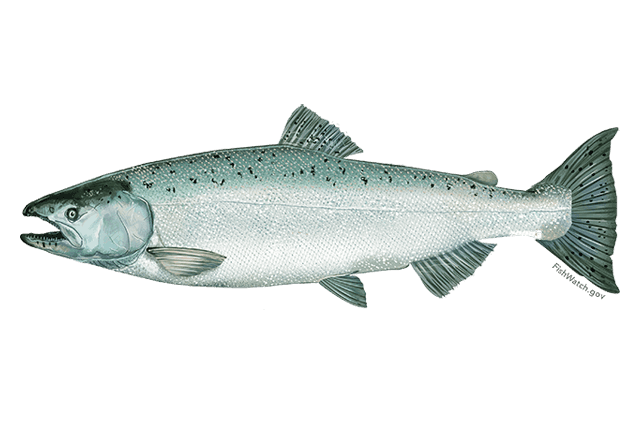
Chinook Salmon
King salmon earn their name - these are the heavyweights of the salmon world, commonly hitting 20-30 pounds with some pushing 40 plus. They're built thick with silver sides, blue-green backs, and black spots covering everything including their mouth and gums. Since they're light-sensitive, kings stay deep most of the day, hugging bottom structure in 30-60 feet of water. Early morning and evening are your best shots when they move up to feed. The fight is legendary - long, powerful runs that'll test your drag. The meat is rich and oily, perfect for the grill. Trolling with weighted gear works best, using herring, spoons, or plugs down deep. Here's what most anglers miss: kings are incredibly sensitive to boat noise and pressure changes, so keep your engine quiet and don't crowd the fish.
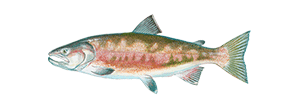
Chum Salmon
Chum salmon are the sleepers of the Pacific salmon family - underrated fighters that'll surprise you with their strength. They average 10-20 pounds and make some of the longest migrations, traveling up to 2000 miles from ocean to spawning grounds. In saltwater they're silver with blue-green backs, but turn olive-green with pink stripes when they hit freshwater. You'll find them at 15-40 foot depths during the day, moving shallower at night. Fall is prime time when they're staging for their spawning runs. They're surprisingly good eating when caught fresh from the ocean. The key is sight fishing - they spook easily, so don't cast right into the school. Instead, work the edges with chartreuse or pink flies. Here's my trick: when you spot a school, cast well ahead and let your lure drift naturally into their path. Aggressive presentations will scatter them every time.
Coho Salmon
Silver salmon are pure adrenaline on a line. These acrobatic fighters average 8-12 pounds and can jump six feet straight up when hooked. You'll find them in calm water near cover - fallen trees, boulders, or deep pools in rivers connected to the ocean. They're bright silver with dark backs and black-spotted tails, turning reddish when spawning. Best fishing happens during their ocean-to-river migration in fall, though timing varies by system. The meat is outstanding - bright orange and rich-tasting. For swinging water, try bright spinners or spoons in chartreuse and pink. Here's a tip: when they're holding in deeper pools, work a jig with a long tail slowly through the column. Their strikes are aggressive, so keep that drag set right or they'll snap you off on the first jump.
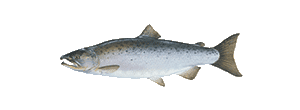
Steelhead Trout
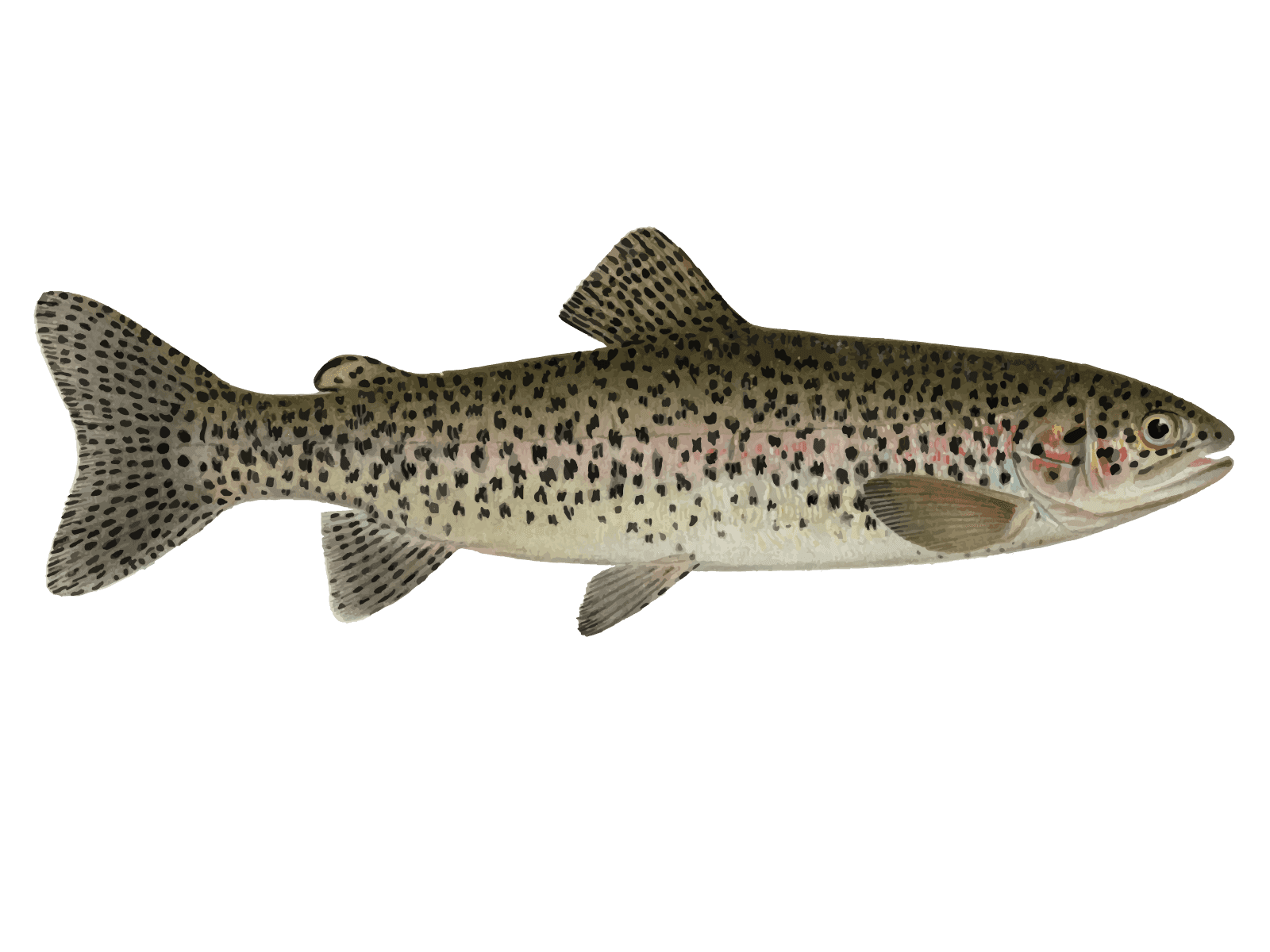
These sea-run rainbows are what winter fishing is all about. Most steelhead run 24-35 inches and fight like they're twice that size - pure muscle and determination. They're built for current, with streamlined silver bodies and that distinctive pink stripe. You'll find them in deep runs, behind boulders, and in tailouts where they can rest between pushing upstream. Winter is prime time, especially February through March when they're fresh from the ocean and aggressive. The reward isn't just the fight - these fish are incredible eating too. They use wood and rock cover, so focus your efforts around structure. My go-to technique is drifting roe or swinging flies through the deeper water. Pro tip: don't horse them. Let that fish run and tire itself out, because once a steelhead decides to go, it's going whether you like it or not.
About the Sovrn Sky
%2F%2Fusers%2Fb1d1b53d-e998-411c-8c29-1b15b21f4256%2Fvehicle_picture%2Fsovrnskyoutfittersboat-21.jpg&w=1920&q=75)
Vehicle Guest Capacity: 2