%2Ffit-in%2F250x250%2Fguide_websites%2F54299%2Fimages%2F1787802244601image-aug-13-2026-10-27-03-0606-pm.png&w=1920&q=100)
/users/b1d1b53d-e998-411c-8c29-1b15b21f4256/ratecard/snapinsta.to_724478393_17894528691473738_2908835650678331595_n-mtb5fegv.jpg)
%2F300x300%2Fusers%2Fb1d1b53d-e998-411c-8c29-1b15b21f4256%2Fratecard%2Fsnapinsta.to_724478393_17894528691473738_2908835650678331595_n-mtb5fegv.jpg&w=256&q=75)
%2F300x300%2Fusers%2Fb1d1b53d-e998-411c-8c29-1b15b21f4256%2Fimages%2Foregon-river-fishing-boat-bait-4352.png&w=256&q=75)
%2F300x300%2Fusers%2Fb1d1b53d-e998-411c-8c29-1b15b21f4256%2Fimages%2Foregon-rainbow-trout-bait-casting-8818.png&w=256&q=75)
Early Summer Smallmouth Bass Fishing
 Oregon
What you will be catching:
 Chinook Salmon
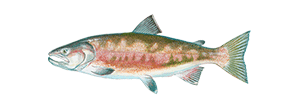
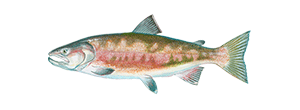 Chum Salmon
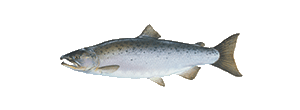 Coho Salmon
 Steelhead Trout
- Target hard-fighting smallmouth bass in Oregon's productive waters
- Limited May-June season ensures optimal fishing conditions
- Single guest trips provide personalized fishing experience
Trip Pricing and Availabilities:
Early Summer Smallmouth Bass Fishing
There's something special about hooking into a smallmouth bass in early summer near Scottsburg, Oregon. These bronze-backed fighters are known for their acrobatic displays and stubborn runs that'll test your drag and your patience in the best possible way. This focused fishing trip takes advantage of a prime seasonal window when smallmouth are actively feeding and putting up the kind of fight that keeps anglers coming back year after year. At $225 per person, you're getting a dedicated day targeting one of Oregon's most spirited freshwater game fish during their peak activity period from May 1st through June 30th.
What to Expect on the Water
You'll meet up in Scottsburg, Oregon 97473, where the Umpqua River system offers some of the most consistent smallmouth bass fishing in the Pacific Northwest. This is a personalized experience with just you and your guide, meaning you'll get hands-on instruction and plenty of casting opportunities throughout the day. The early summer window is crucial here – water temperatures are warming up, smallmouth are aggressive, and you'll find them in predictable holding spots along rocky banks, submerged structure, and current breaks. Expect steady casting action as you work different techniques to entice these feisty fish. The Scottsburg area provides that perfect mix of river structure and flow that smallmouth bass absolutely love, with plenty of underwater boulders, fallen timber, and deep pools where these fish stage up waiting for prey.
Techniques & Tackle Setup
Smallmouth bass fishing is all about versatility and reading the water. Your guide will have you working a mix of soft plastics, crankbaits, and topwater lures depending on conditions and fish behavior that day. Early summer means you might start with subsurface presentations in the cooler morning hours, then switch to topwater action as the day warms up and fish move shallow to feed. The rocky structure around Scottsburg is perfect for working tube baits and ned rigs along the bottom, while the current seams and eddies are ideal spots to throw spinnerbaits and small crankbaits. You'll be using medium to medium-heavy spinning gear that gives you the backbone to handle these powerful fish while still maintaining the sensitivity to feel subtle bites. The key is staying mobile and adjusting your approach as conditions change throughout the day – something your guide will help you master as you work different sections of water.
Target Species
Smallmouth bass are the main attraction here, and for good reason. These fish typically range from 12 to 16 inches in the Scottsburg area, with the occasional bruiser pushing 18 inches or better. What makes them so special is their fighting ability – pound for pound, they're one of the most aggressive freshwater fish you'll encounter. Early summer is prime time because water temperatures hit that sweet spot between 60-70 degrees where smallmouth become incredibly active. They'll be feeding heavily on crawfish, minnows, and aquatic insects, making them willing to chase down your offerings with serious aggression. When you hook one, expect multiple jumps, strong runs toward structure, and that distinctive head-shaking fight that smallmouth are famous for.
While the trip description mentions salmon and steelhead species like Coho, Chinook, Chum salmon, and steelhead trout as targets, the reality is that this early summer window in the Scottsburg area is specifically timed for smallmouth bass action. These anadromous species have different seasonal patterns – steelhead runs typically peak in winter and spring, while salmon runs happen later in the season. Your guide knows exactly when and where to find the most active smallmouth during this limited seasonal opportunity, focusing your efforts on the species that are most likely to provide consistent action during the May through June timeframe.
Time to Book Your Spot
This top-rated early summer smallmouth experience fills up fast, and with good reason. The May 1st through June 30th window is short but sweet, offering some of the most consistent bass fishing you'll find in Oregon. With only one angler per trip, you're getting personalized instruction and maximum time on the water without competing for casting spots. Whether you're looking to improve your technique or just want to experience the thrill of hooking into these hard-fighting fish, this focused outing delivers exactly what serious anglers are looking for. The $225 investment gets you a full day of guided fishing during prime conditions, complete with local knowledge that takes years to develop on your own. Don't wait too long to secure your dates – this seasonal window closes fast, and once June wraps up, you'll be waiting until next year for another shot at this world-class smallmouth action near Scottsburg.
Learn more about the species
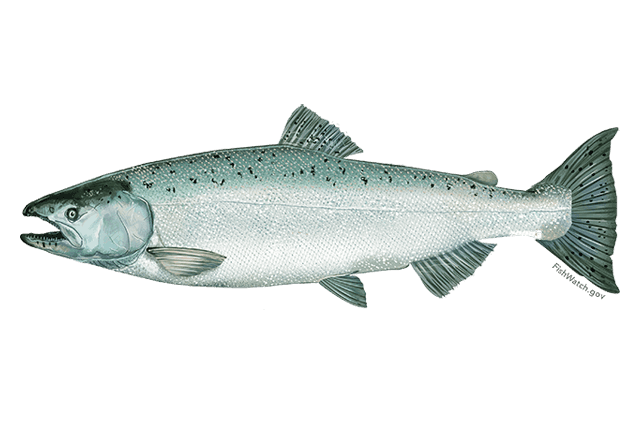
Chinook Salmon
The kings of Pacific salmon, these bruisers average 15-30 pounds but can exceed 50 pounds in good years. Chinook are bottom-huggers that stay deep in the main channel, avoiding bright light whenever possible. They're most active during low-light periods - early morning and evening produce the best results. Spring and fall runs offer prime opportunities when fresh fish are moving through. What makes chinook special is their combination of size, strength, and incredible table quality - that deep red meat is unmatched. They're also excellent indicators of water quality since they'll leave if conditions decline. The key to success is getting your bait or lure down to their level using plenty of weight. My favorite local trick: fish deeper than you think you should. While other anglers work the surface, drop down another 10 feet and you'll often find where the big kings are holding.
Chum Salmon
Often overlooked but surprisingly strong fighters that average 24 inches and 10-20 pounds. These fish make some of the longest migrations of any salmon, traveling up to 2000 miles to reach spawning areas. You'll typically find them in 15-40 foot depths, though they move shallower at night. Fall offers the best action when they're pushing into rivers, though some runs start in late summer. What makes chum interesting is their dramatic color change - silver-bright in the ocean, they develop striking purple and green bars when spawning. They're also great eating when caught fresh. The males develop impressive hooked jaws and canine teeth that make them look fierce. For success, try sight fishing when possible but don't spook them by casting directly into schools. My local tip: use chartreuse flies or lures - chum seem drawn to that color more than any other salmon species around here.
Coho Salmon
These silver bullets average 12-30 inches and pack serious punch for their size. Coho are famous for their acrobatic jumps - they can leap 6 feet straight up when hooked. You'll find them in deeper pools and eddies along the main river, especially where there's good cover from logs or undercut banks. Fall runs from September through November offer the best action when they're fresh from the ocean. What makes them special is that incredible fight combined with their bright orange meat - perfect for the dinner table. These fish are aggressive and will hit bright spinners and spoons hard. Local tip: when the water's running high and muddy, switch to chartreuse or hot pink lures. Coho can't resist that flash of color, and you'll get strikes when other anglers are going home empty-handed.
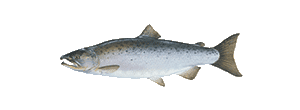
Steelhead Trout
Ocean-run rainbows that average 24 inches but can push 45 inches when conditions are right. These chrome-bright fighters spend years in the Pacific before returning to spawn, making them incredibly strong. Look for them in deeper runs, tail-outs, and slots between fast and slow water - they love that transition zone. Best fishing runs from late fall through early spring when fresh fish are moving upriver. What sets steelhead apart is their stamina - they'll make multiple long runs and aerial displays that test your gear and patience. The reward is worth it though - few fish fight harder or taste better. My go-to method is swinging flies or lures through likely holding water. Here's the key: don't rush your presentation. Let your offering work through the entire drift naturally - steelhead often follow before committing to bite.
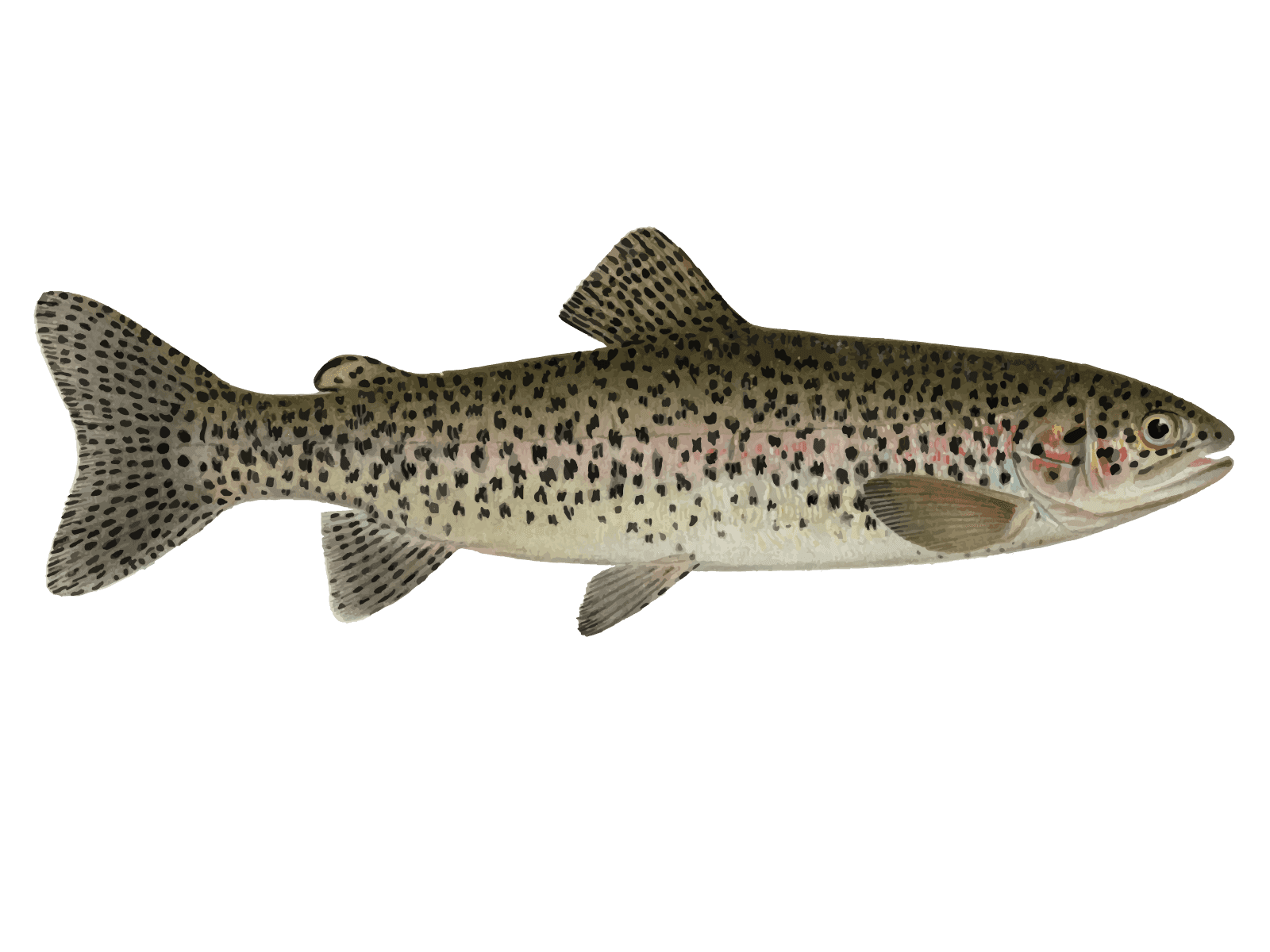
About the Sovrn Sky
%2F%2Fusers%2Fb1d1b53d-e998-411c-8c29-1b15b21f4256%2Fvehicle_picture%2Fsovrnskyoutfittersboat-21.jpg&w=1920&q=75)
Vehicle Guest Capacity: 2