%2Ffit-in%2F250x250%2Fguide_websites%2F54299%2Fimages%2F1787802244601image-aug-13-2026-10-27-03-0606-pm.png&w=1920&q=100)
/users/b1d1b53d-e998-411c-8c29-1b15b21f4256/ratecard/snapinsta.to_650972399_17881315485473738_3417248378249291720_n-mtb5lqxb.jpg)
%2F300x300%2Fusers%2Fb1d1b53d-e998-411c-8c29-1b15b21f4256%2Fratecard%2Fsnapinsta.to_650972399_17881315485473738_3417248378249291720_n-mtb5lqxb.jpg&w=256&q=75)
%2F300x300%2Fusers%2Fb1d1b53d-e998-411c-8c29-1b15b21f4256%2Fimages%2Foregon-river-fishing-boat-bait-4352.png&w=256&q=75)
%2F300x300%2Fusers%2Fb1d1b53d-e998-411c-8c29-1b15b21f4256%2Fimages%2Foregon-rainbow-trout-bait-casting-8818.png&w=256&q=75)
Full-Day Spring Salmon Bank Fishing
 Oregon
What you will be catching:
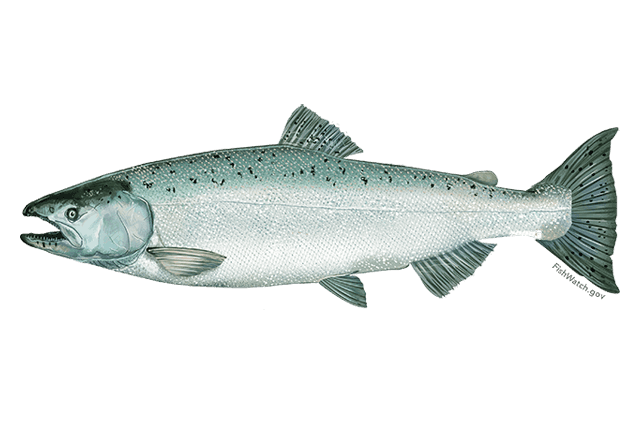
 Chinook Salmon
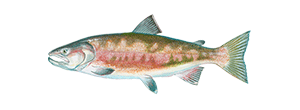 Chum Salmon
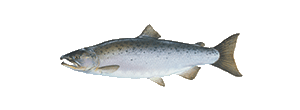 Coho Salmon
 Steelhead Trout
- Eight-hour spring salmon fishing experience at Lobster Creek
- Exclusive March-April seasonal window for optimal conditions
- Shore-based single angler approach with patient technique
Trip Pricing and Availabilities:
Full-Day Spring Salmon Bank Fishing
When the spring salmon run kicks in at Lobster Creek, there's something magical about watching the river from the bank with your rod ready. This full-day fishing adventure puts you right where the action happens – no boat needed, just you, the water, and some of the Pacific Northwest's most prized salmon species. From 7:00 AM to 3:00 PM, you'll have eight solid hours to work the prime spots along Lobster Creek, timing your casts with the tides and hoping for that telltale tug that means a salmon just took your bait. At $150 per person, this shore-based trip runs during the limited spring window from March 1 through April 30, when these fish are most active in our local waters.
What to Expect on the Water
Bank fishing for salmon is all about patience, positioning, and reading the water. You'll start your day at Lobster Creek Boat Ramp, where we'll walk you to the best shore access points that locals have been using for decades. The beauty of this approach is that you stay grounded while focusing entirely on technique and timing. Spring salmon are notorious for being picky, so we'll spend time adjusting your setup based on current conditions – water clarity, flow rate, and what the fish have been hitting recently. Don't expect constant action, but when these salmon do bite, you'll know why anglers get addicted to the chase. The eight-hour format gives you plenty of chances to dial in your approach, and there's something deeply satisfying about working a stretch of river methodically until you find where the fish are holding.
Techniques & Tackle Setup
Bank fishing for salmon requires a different mindset than boat fishing – you're working with the current and structure from a fixed position rather than chasing fish around. We'll rig you up with medium to heavy spinning or casting setups, typically using 12-15 pound test line that can handle the fight without spooking fish in clear water. Bait presentation is everything here. Depending on conditions, we might run fresh roe, sand shrimp, or spinners that mimic the small baitfish these salmon are feeding on. The key is getting your offering down to where the fish are traveling – usually in deeper holes and current seams along the bank. You'll learn to feel the difference between your weight bouncing along the bottom and that distinctive tap-tap of a salmon mouthing your bait. We'll also cover casting angles that let the current work for you, bringing your presentation through the strike zone naturally.
Target Species Breakdown
Coho salmon are often the stars of spring fishing at Lobster Creek, typically running 8-12 pounds with occasional fish pushing 15. These silver bullets are known for their aerial acrobatics once hooked – expect multiple jumps and strong runs that'll test your drag settings. Coho hit hard and fight dirty, making them a favorite among bank anglers who appreciate a fish that doesn't give up easily. March through April is prime time as they move through our system, often feeding aggressively on small baitfish near structure.
Chinook salmon represent the heavyweight division, with fish ranging from 15-30 pounds and occasional monsters that can top 40. These kings are built for power rather than acrobatics – when you hook into a big chinook from the bank, it's all about letting your drag do the work and staying patient. They're notorious for making long, bulldozing runs that can take you well into your backing. Spring chinook are often the most challenging to hook consistently, but landing one from shore creates memories that last a lifetime.
Steelhead trout add another dimension to spring fishing, though they're technically not salmon. These chrome-bright fish average 6-10 pounds but fight like they're twice that size. Steelhead are incredibly athletic, combining the jumping ability of coho with the endurance to make multiple runs. They're often more willing to take lures and flies than the salmon species, making them great targets when the bite gets tough. Their fighting ability pound-for-pound is legendary among Pacific Northwest anglers.
Chum salmon round out the target species list, typically showing up later in the spring window. These fish run 8-15 pounds and are distinguished by their hooked jaws and tiger-stripe spawning colors. While they don't have the reputation of chinook or coho, chum are strong fighters that make powerful runs. They're often more abundant than other salmon species during certain windows, giving you better odds of consistent action when conditions align.
Time to Book Your Spot
Spring salmon fishing at Lobster Creek offers something you won't find later in the year – a chance to target multiple species during their peak condition as they move through our local system. The limited season from March through April means booking early is essential, especially for weekend dates that fill up fast among local anglers who know this fishery well. At $150 for eight hours of guided bank fishing, you're getting access to prime spots, local knowledge about current conditions, and the satisfaction of working for fish that many consider the ultimate Pacific Northwest prize. Remember that salmon fishing is never guaranteed – these fish have their own schedule – but that's exactly what makes connecting with one so rewarding. The combination of skill, patience, and a little luck is what keeps anglers coming back year after year.
Learn more about the species
Chinook Salmon
Chinook salmon, the "kings," are the giants of the salmon world, commonly hitting 15-30 pounds in our waters. These silver-sided bruisers have black spots everywhere and distinctive black mouths. Kings are light-sensitive, so they hug bottom during bright days, making weighted presentations essential. Early morning and evening are your best shots when they move up in the water column. What draws anglers is their raw power and that rich, red meat that's second to none. Spring runs from March through April offer some of the best action as they move through on their final journey upstream. Here's something most miss: when kings are holding, they often face slightly downstream to conserve energy. Cast your bait to drift right into their strike zone.
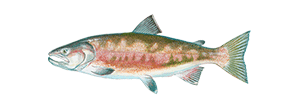
Chum Salmon
Chum salmon are the underdog of the salmon family, but they'll surprise you with their fight. These medium-sized fish average 10-20 pounds and turn from ocean silver to distinctive vertical stripes when spawning. They make the longest migrations of any Pacific salmon, sometimes traveling 2000 miles. Chum prefer moderate depths around 15-40 feet and can be found in schools during spring runs. While often overlooked, they're actually excellent table fare when caught fresh from the ocean. March through April brings them through our area during their spawning migration. One thing about chum - they spook easily, so avoid casting directly into a school. Instead, work the edges with chartreuse or pink flies about 3-4 feet off the group for better success.
Coho Salmon
Coho salmon, or "silvers," are some of the most acrobatic fighters you'll encounter. These chrome-bright fish average 8-12 pounds and love to jump - sometimes clearing 6 feet when hooked. You'll find them holding in deeper pools and under cover like fallen trees or undercut banks during our spring runs. What makes coho special is their aggressive nature and willingness to hit lures, plus that bright orange meat makes for great eating. March through April is prime time when they're moving through on their spawning migration. Here's a local tip: when you see one jump, cast just upstream of where it landed - coho often travel in small groups, and the splash usually means there are more nearby.
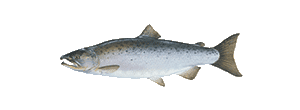
Steelhead Trout
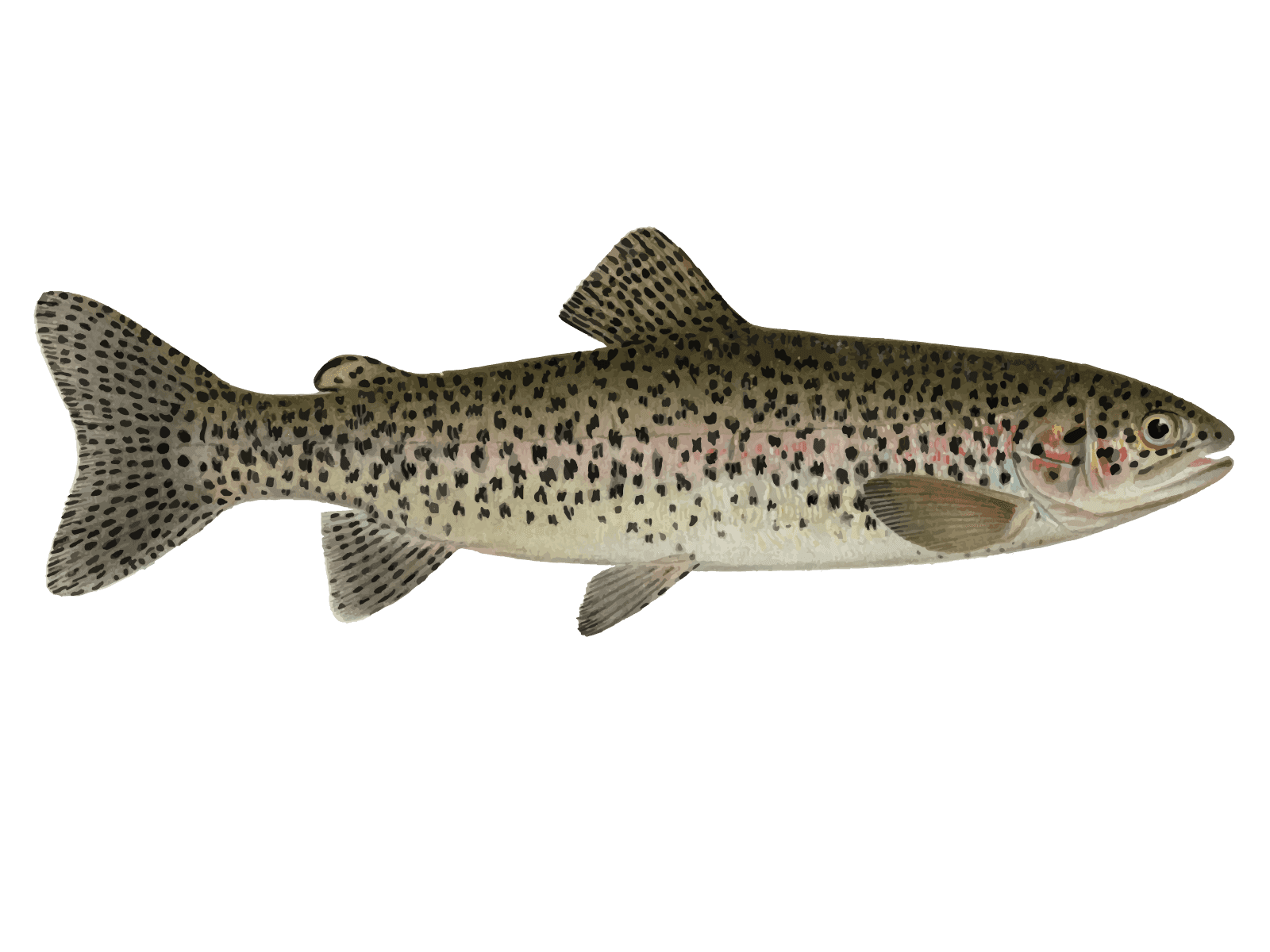
Steelhead are ocean-going rainbow trout that come back to rivers with serious attitude. These silver torpedoes average 24 inches but can push 45, and they fight harder than almost anything else in freshwater. Unlike salmon, steelhead can survive spawning and return to the ocean multiple times. They prefer deeper runs with good current and cover - look for them near boulders, logs, or undercut banks. Spring fishing from March to April catches them fresh from the ocean when they're strongest. The reward for landing one is a fish that'll test every bit of your gear and skill. Pro tip: steelhead have excellent eyesight, so keep your profile low and approach pools from downstream. A drag-free drift is everything with these fish.
About the Sovrn Sky
%2F%2Fusers%2Fb1d1b53d-e998-411c-8c29-1b15b21f4256%2Fvehicle_picture%2Fsovrnskyoutfittersboat-21.jpg&w=1920&q=75)
Vehicle Guest Capacity: 2