%2Ffit-in%2F250x250%2Fguide_websites%2F54299%2Fimages%2F1787802244601image-aug-13-2026-10-27-03-0606-pm.png&w=1920&q=100)
/users/b1d1b53d-e998-411c-8c29-1b15b21f4256/ratecard/snapinsta.to_724019641_17894528682473738_8271109744169351825_n-mtb57bzs.jpg)
%2F300x300%2Fusers%2Fb1d1b53d-e998-411c-8c29-1b15b21f4256%2Fratecard%2Fsnapinsta.to_724019641_17894528682473738_8271109744169351825_n-mtb57bzs.jpg&w=256&q=75)
%2F300x300%2Fusers%2Fb1d1b53d-e998-411c-8c29-1b15b21f4256%2Fimages%2Foregon-river-fishing-boat-bait-4352.png&w=256&q=75)
%2F300x300%2Fusers%2Fb1d1b53d-e998-411c-8c29-1b15b21f4256%2Fimages%2Foregon-rainbow-trout-bait-casting-8818.png&w=256&q=75)
Full-Day Smallmouth Bass Bank Fishing
 Oregon
What you will be catching:
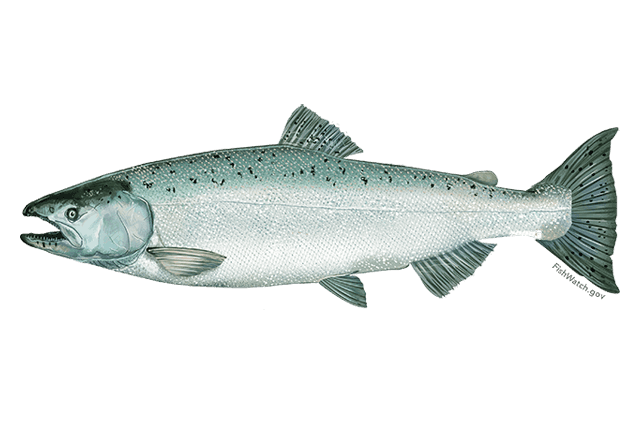
 Chinook Salmon
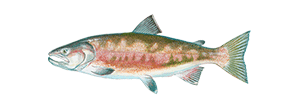
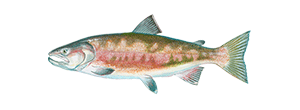 Chum Salmon
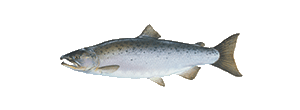 Coho Salmon
 Steelhead Trout
- Eight-hour shore-based smallmouth bass fishing experience
- No boat necessary, casting from stable ground positions
- Available May-June seasons at $125 per participant
Trip Pricing and Availabilities:
Full-Day Smallmouth Bass Bank Fishing
Looking for a solid day of bank fishing without the hassle of boat logistics? This full-day smallmouth bass adventure near Scottsburg puts you right where the action is – casting from shore with plenty of time to work the water properly. Eight hours gives you the chance to really dial in your technique, explore different stretches, and connect with some of Oregon's feistiest freshwater fighters. At $125 per person, you're getting exceptional value for a guided experience that runs from 7 AM through the prime fishing hours when smallmouth are most active.
What to Expect on the Water
This isn't your typical rushed fishing trip. You'll have the entire day to settle into productive spots along the riverbank, working methodically through areas where smallmouth bass love to hang out. The beauty of shore fishing is the freedom to move at your own pace – spend extra time on a hot spot or explore new water when the mood strikes. Your guide knows exactly where these bronze-backed fighters like to stage during the May through June season, and you'll learn to read the water like a local. The single-angler capacity means personalized attention and coaching that'll make you a better angler by day's end. Meeting in Scottsburg gives you easy access to some of the most consistent smallmouth water in the region without the crowds you'll find at more popular boat launches.
Bank Fishing Tactics & Gear
Smallmouth bass respond well to a variety of presentations from shore, and your guide will walk you through the most effective techniques for local conditions. Soft plastics like tube baits and grubs work magic when dragged along rocky bottoms where smallmouth forage. Spinnerbaits and small crankbaits cover water efficiently when you're prospecting new areas. The key is matching your approach to the structure – rocky points, fallen timber, and current breaks all hold fish but require different presentations. You'll learn to cast tight to cover, work lures at the right speed, and set the hook when that telltale smallmouth thump hits your line. The guide provides local knowledge about seasonal patterns that can make the difference between a few fish and a banner day on the water.
Species You'll Want to Hook
Coho Salmon bring serious power to your rod when they're running the river system. These silver bullets typically range from 8 to 12 pounds and are known for their acrobatic fights – expect multiple jumps and long runs that'll test your drag system. May and June mark prime time for catching coho as they stage in deeper pools before continuing their spawning journey. What makes coho special is their aggressive feeding behavior during the run, making them willing to hit everything from spinners to flies when presented properly.
Steelhead Trout are the ultimate prize for many Pacific Northwest anglers, and for good reason. These sea-run rainbows average 6 to 10 pounds but fight like fish twice their size. Their powerful runs and head-shaking jumps create heart-stopping moments that keep anglers coming back year after year. Steelhead can be finicky, requiring precise presentations and plenty of patience, but when one grabs your offering, you'll understand why they're considered the king of game fish. The early season timing of this trip coincides with late-run steelhead still moving through the system.
Chinook Salmon represent the heavyweight division of Pacific salmon, with fish commonly reaching 15 to 25 pounds in these waters. King salmon are bulldogs – they rely on raw power rather than acrobatics, taking long, steady runs that can strip line off your reel in seconds. The sheer size and strength of a mature chinook makes every hookup a memorable event. These fish prefer deeper water and heavier current, making them perfect targets for the bank fishing techniques you'll master during this trip.
Chum Salmon might not get the same press as their cousins, but they're scrappy fighters that provide consistent action during their run. Typically weighing 8 to 12 pounds, chum salmon have a distinctive fighting style that combines short bursts of speed with determined head shaking. They're often more willing to bite than other salmon species, making them excellent confidence builders when the fishing gets tough. Chum also tend to hold in areas accessible from shore, perfect for the bank fishing approach of this trip.
Time to Book Your Spot
With only one angler per trip and a limited season running May 1 through June 30, spots fill up quickly once word gets out about good fishing conditions. This personalized approach means you're getting the full attention of an experienced guide who's committed to putting you on fish and improving your skills. The eight-hour format gives you real value – enough time to experience different conditions, try various techniques, and truly connect with the fishery. At $125, you're investing in knowledge and experience that'll pay dividends on future fishing trips. The Scottsburg area offers some of the most reliable smallmouth and salmon fishing in Oregon, and this shore-based approach opens up water that many boat anglers never touch. Book now to secure your dates during this prime seasonal window when the fishing is at its absolute best.
Learn more about the species
Chinook Salmon
King salmon earn their name, averaging 12-39 inches and 7-15 pounds, but the big ones can push 30+ pounds. These light-sensitive fish stay deep most of the day, hugging bottom structure in cold water. They're most active early morning and evening when they'll move up in the water column. Spring and fall runs offer the best opportunities, depending on your local watershed. Kings are prized for their incredible fighting power and that rich, orange-pink meat that's perfect for the grill or smoker. Since they prefer deeper water, you'll need weighted gear to get down to them. Here's what works: fish a whole herring or large plug on a downrigger when trolling, or use heavy jigs when still fishing. The key is getting your bait right in their face since they won't chase it far.
Chum Salmon
Often overlooked, chum salmon average 24 inches and 9-22 pounds, making some of the longest migrations of any Pacific salmon. In saltwater they're silver-bright, but turn olive-green with pink stripes when spawning. You'll find them at 15-40 foot depths during the day, moving shallower at night around 16 feet. Fall runs provide the best fishing, though some late summer opportunities exist. What makes chum exciting is their willingness to fight hard when hooked fresh, plus they're surprisingly good eating when caught in saltwater. They can be easy to spook, so sight fishing works well when you can see schools. Don't cast directly into the group - place your fly or lure a few feet off the edge of the school. Chartreuse flies get their attention, but pink and purple work too when conditions are right.
Coho Salmon
Silver salmon pack a serious punch for their size, typically running 8-12 pounds and 12-30 inches. These acrobatic fighters love to jump - up to 6 feet straight up - which makes every hookup a show. You'll find them in deeper pools and runs, especially around fallen timber and undercuts where they stage before moving upstream. Fall runs from September through November offer the best action when they're fresh from the ocean with that bright silver color. What makes coho special is their aggressive nature and willingness to hit lures, plus they're outstanding table fare with that orange-red meat. Here's a tip: when they're holding in slower water, try twitching a bright jig with a long tail - that extra movement often triggers strikes when nothing else works.
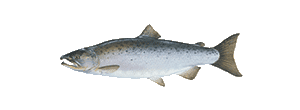
Steelhead Trout
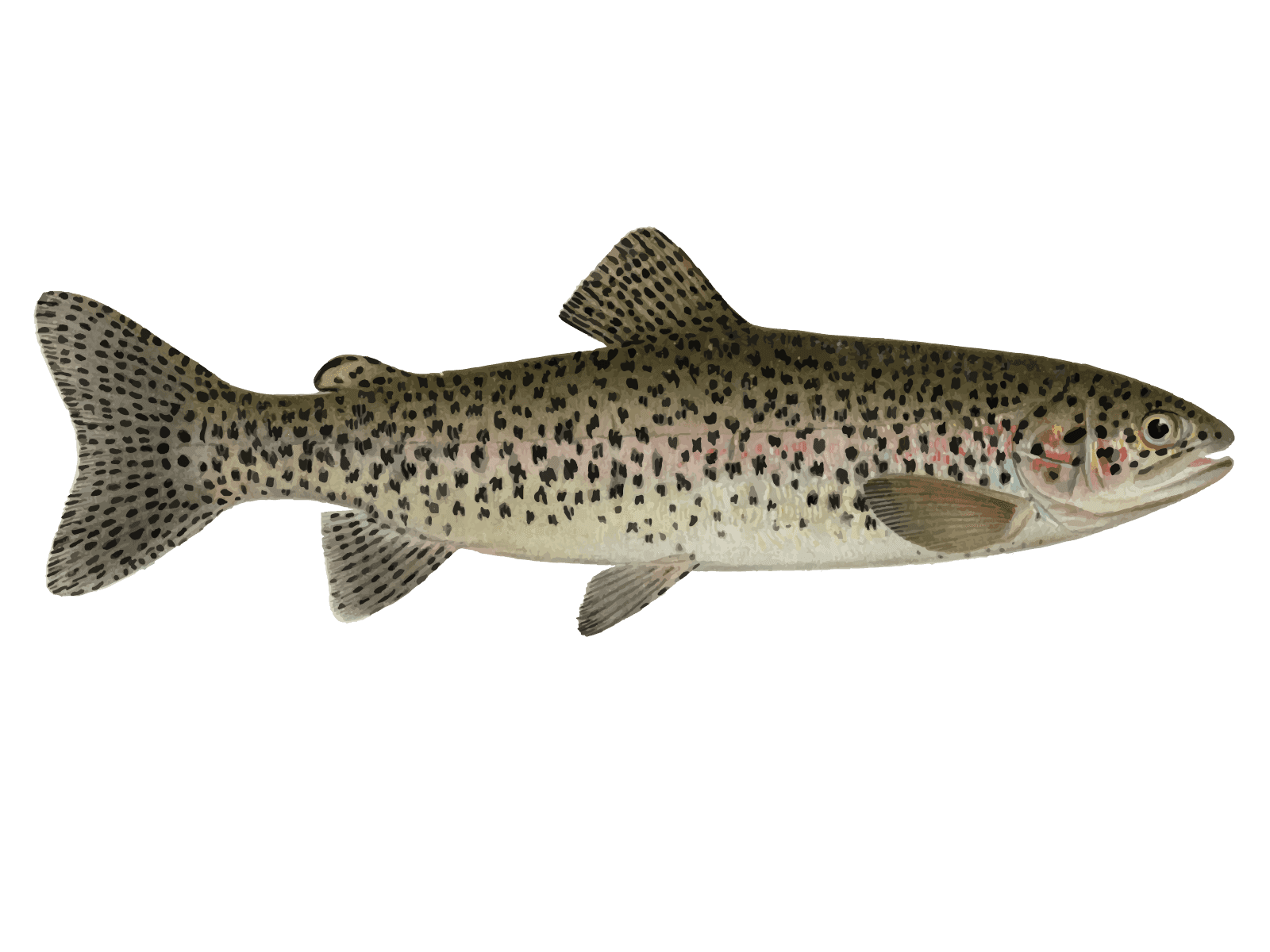
Ocean-run rainbows that average 24 inches but can stretch to 45 inches and hit 55 pounds. These sea-bright fish are built for power, spending years in saltwater before returning to spawn. Look for them in deeper runs, behind boulders, and under overhanging cover where they rest between moving upstream. Peak season runs from mid-fall through spring when water conditions are right. What sets steelhead apart is their incredible strength and endurance - they'll make long, sustained runs that test your drag and patience. They're also repeat spawners, so releasing them helps future runs. My go-to technique is swinging a sparsely tied fly like a Purple Peril or Skunk on a 13.5-foot spey rod. Keep that fly moving naturally in the current - dead drifting rarely works with these fish.
About the Sovrn Sky
%2F%2Fusers%2Fb1d1b53d-e998-411c-8c29-1b15b21f4256%2Fvehicle_picture%2Fsovrnskyoutfittersboat-21.jpg&w=1920&q=75)
Vehicle Guest Capacity: 2