%2Ffit-in%2F250x250%2Fguide_websites%2F54299%2Fimages%2F1787802244601image-aug-13-2026-10-27-03-0606-pm.png&w=1920&q=100)
Rainbow Trout Fishing in Oregon Rivers | Florence
Rainbow Trout Fishing in Oregon - What to Expect
%2F%2Fusers%2Fb1d1b53d-e998-411c-8c29-1b15b21f4256%2Fimages%2Foregon-rainbow-trout-bait-casting-8818.png&w=1920&q=75)
Fishing Charter by Captain Soren McKinnis in August
- Oregon Fishing & Foraging Adventures with Soren


Summary
Experience a focused half-day fishing charter targeting rainbow trout, steelhead, and salmon on Oregon's pristine coastal rivers. This Monday morning adventure with Sovrn Sky Outfitters combines expert guidance with cast, reel, and bait fishing techniques, delivering an unforgettable Pacific Northwest fishing experience.
River Fishing with Soren McKinnis - Rates & Booking
Captain Soren McKinnis of Sovrn Sky Outfitters on Monday August offers guided half-day morning trips targeting rainbow trout, steelhead, salmon, and snook in Oregon's productive coastal rivers. Departing at 6 AM, this fishing charter accommodates up to 2 anglers and runs for a focused morning session. The trip costs $300 per person, with all fishing techniques covered including cast, reel, and bait fishing. Meals are provided to keep you fueled throughout the adventure, so you can concentrate entirely on landing fish. You'll need to bring a valid fishing license and tag - that's the only requirement on your end. This is not a shared trip experience, meaning you get a personalized, dedicated outing with the captain.
Book your spot online to secure your date. Captain McKinnis's local expertise and structured approach make this trip ideal for both seasoned anglers and newcomers to Oregon's river system.
Highlights of Half-Day Morning Adventure with Guide Soren McKinnis
What sets this trip apart is the combination of expert guidance on productive waters and the flexibility to fish multiple techniques. Whether you're casting along the banks or working bait presentations, Captain McKinnis provides hands-on instruction tailored to current conditions. The early morning timing puts you on the water during prime feeding windows, when trout and steelhead are most active.
The coastal river environment around Florence offers pristine scenery with dense forest backdrops and clean, flowing water. You'll experience the authentic Pacific Northwest fishing atmosphere while pursuing some of the region's most sought-after species.
Local Species Insights: Rainbow Trout
Rainbow trout in Oregon's coastal rivers are known for their strength and acrobatic runs, making them a thrilling target for anglers of all levels. These fish typically inhabit cool, well-oxygenated waters and are most active during early morning hours - exactly when this trip launches. Rainbow trout respond well to both casting and bait presentations, giving you multiple opportunities to connect with fish throughout the morning.
The habitat around Florence's coastal rivers supports healthy populations of rainbows, particularly in summer and winter steelhead seasons. These fish migrate upstream from the Pacific Ocean, and you'll be fishing in sections where resident and migratory populations overlap. The river's clear water and rocky structure create excellent conditions for sight-fishing and reading fish behavior.
Rainbows in these waters often display the characteristic pink stripe along their side and vibrant spots that make them one of the most beautiful trout species. Their aggressive feeding behavior in response to both flies and bait makes them responsive to varied techniques throughout the morning session.
The coolness of the water and the river's natural flow create an energetic fishing environment. Early morning mist often rises off the water as the day begins, creating memorable moments on the water. You'll notice how quickly conditions can change - water color, light angles, and fish activity all shift as the morning progresses, keeping the experience dynamic and engaging.
Plan Your Fishing Day
Expect to depart at 6 AM sharp with all gear and fishing techniques handled by Captain McKinnis. Bring your valid fishing license and tag, plus dress in layers since riverside mornings can be cool and damp. The captain provides meals, so you're free to focus entirely on fishing and learning the techniques he uses to locate and catch fish in these coastal rivers.
With only 2 anglers maximum per trip, you'll receive plenty of attention and instruction. The half-day format means you'll be back by early afternoon, giving you time to explore Florence or rest after an active morning on the water. This structured approach works well for anglers who want efficient, productive fishing without the commitment of a full-day trip.
Fishing in Oregon: Steelhead Trout

Steelhead Trout Overview
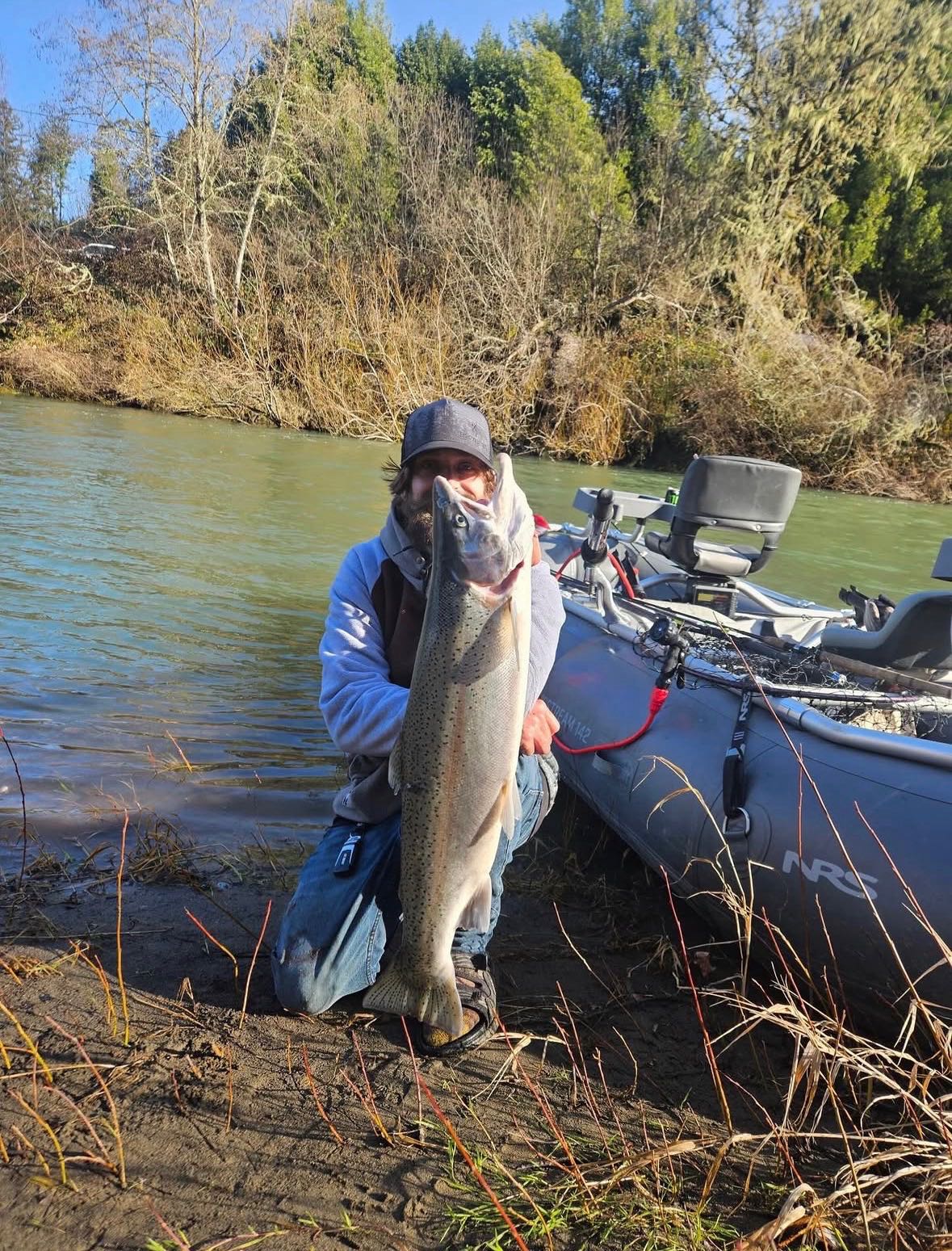
Steelhead trout (Oncorhynchus mykiss) belong to the family Salmonidae and order Salmoniformes, making them close relatives of salmon and other trout species. These magnificent anadromous fish are actually the sea-run form of rainbow trout, spending most of their adult lives in the ocean before undertaking epic upstream migrations to spawn in freshwater. What makes steelhead truly special is their remarkable transformation: while their freshwater rainbow trout cousins remain streamlined and colorful year-round, steelhead develop a striking silvery-brassy appearance with distinctive black spots earned from their time in saltwater environments. Found throughout coastal rivers and estuaries in northern America and beyond, steelhead represent one of the most challenging and rewarding game fish experiences for anglers. These fish can live up to 11 years and are known to spawn multiple times throughout their lifespans—a rare trait among Pacific salmon species. Whether you're exploring the Pacific Northwest or other steelhead-rich regions, encountering one of these powerful fighters is an experience that stays with you.
Steelhead Trout Habitat and Distribution
Steelhead trout thrive in cool, clean freshwater streams and rivers where they return annually to spawn, as well as in coastal estuaries and open ocean environments where they spend the majority of their adult years. These fish prefer areas with abundant cover including submerged wood, boulders, and aquatic vegetation that provide protection from predators and strong current. Their native range extends west of the Rocky Mountains throughout the Pacific Coast, but over the past century they've been introduced to most U.S. states and are now found on every continent except Antarctica. In their natal rivers, steelhead occupy tributaries with gravel beds suitable for spawning, while in the ocean they roam extensively through coastal waters and estuaries. The Pacific Northwest—including rivers in Washington, Oregon, and California—remains the steelhead capital of North America, though excellent populations now exist in the Great Lakes region and various other river systems nationwide. What makes steelhead habitat unique is the fish's need for both marine and freshwater environments; they require access to the ocean's abundance for growth and strength, yet must return to clean, cold rivers with suitable spawning substrate.
Steelhead Trout Size and Weight
Steelhead trout are impressive in their proportions, with the average specimen measuring around 24 inches in length and weighing between 2 to 8 pounds for typical catches. However, these fish can grow substantially larger, with documented specimens reaching up to 46 inches in length and tipping the scales at an impressive 35 pounds or more. The largest recorded steelhead on record weighed 55 pounds, representing the upper limit of this species' growth potential. Size variations depend on several factors including the specific river system, available food sources in the ocean, and how many years the fish spent in saltwater before returning to spawn. Generally, fish that spend three years in the ocean grow larger than their two-year ocean-dwelling counterparts. Females tend to be slightly smaller than males on average, and fish returning to spawn for the second or third time are often larger than first-time spawners. Regardless of size, every steelhead possesses the strength and determination that makes them legendary among anglers.
Steelhead Trout Diet and Behavior
Steelhead trout are opportunistic feeders with diverse dietary preferences that change throughout their life stages. Young steelhead primarily feed on zooplankton and small aquatic organisms in freshwater streams, while as they grow they consume small fish, aquatic insects, crustaceans, mollusks, and fish eggs. Once in the ocean, they become apex predators with access to abundant forage fish, allowing them to build the muscle mass and strength they're famous for. Interestingly, steelhead that have returned to freshwater to spawn often cease feeding or feed minimally, relying on stored energy reserves accumulated during their ocean years. These fish are highly migratory, displaying instinctual behavior that drives them to leave the ocean and return to their birth rivers during specific seasons. They're capable of leaping obstacles, enduring challenging freshwater conditions, and navigating complex river systems with remarkable precision. Steelhead are known for their aggressive, acrobatic fighting style when hooked, often launching themselves spectacularly into the air. Their behavior reflects their dual nature: adapted for the open ocean's abundance yet programmed by ancient instinct to return home to spawn.
Steelhead Trout Spawning and Seasonal Activity
Steelhead trout display one of nature's most remarkable behaviors: the epic spawning migration that defines their life cycle. These fish spend two to three years in the ocean growing strong and fat, then respond to environmental cues that trigger their return to natal freshwater rivers. The spawning season typically runs from mid-fall through spring, with peak activity varying by river system and geographic location. When steelhead return to rivers, they begin their upstream migration, sometimes traveling hundreds of miles against current and over obstacles to reach their spawning grounds. Upon arriving in suitable habitat, females excavate redds (nests) in gravel beds of tributaries and streams, depositing anywhere from 1,500 to 9,000 eggs depending on the female's size. Males guard territory and fertilize eggs, engaging in competitive displays with rival males. What distinguishes steelhead from most other Pacific salmon is their ability to spawn multiple times—some fish return to the ocean after spawning to recover and may return again in subsequent years. This polyandrous spawning strategy, combined with their extended lifespan of up to 11 years, makes them unique among anadromous fish. The fall and winter months represent peak steelhead fishing seasons in most river systems, when large numbers of fish are actively moving upstream.
Steelhead Trout Techniques for Observation and Capture
Anglers targeting steelhead employ several specialized and proven techniques, each suited to different conditions and water types. Fly fishing stands as the most celebrated method, particularly effective when swinging flies across current or drifting nymphs in deeper pools. A quality Spey rod or switch rod measuring around 13.5 feet and rated for 7-weight lines provides excellent control and distance; both double and single-handed fly rods work effectively. Popular steelhead fly patterns include Golden Demon, Skunk, Brad's Brat, Silver Hilton, Max Canyon, Surgeon General, Purple Peril, and Skykomish Sunrise—typically tied thinly in sizes 6 through 8. Dry fly fishing with bombers can also produce exciting surface takes during specific conditions. Drifting and plunking represent effective bait-and-hardware approaches, where anglers present eggs, small spinners, or specialized lures in likely holding water. Back trolling from boats covers significant water and works particularly well in larger rivers and estuaries. Around the Pacific Northwest, including popular steelhead destinations near Portland and Seattle, local guides recommend focusing your efforts on proven runs and holding pools during peak migration periods, typically October through March. The key to success involves understanding water temperature, flow conditions, and seasonal fish movement patterns—steelhead prefer water temperatures between 45-55°F and are most active during periods of moderate flow following rainfall events.
Steelhead Trout Culinary and Utilization Notes
Steelhead trout represent excellent eating fish, offering good odds for culinary use thanks to their firm, flavorful flesh that's rich in omega-3 fatty acids and quality protein. The meat typically displays a light orange to pink color, with a taste profile that falls between delicate trout and rich salmon—making it highly versatile for various cooking methods. Smoked steelhead is particularly prized, and the fish's substantial size means each fish provides generous fillets suitable for grilling, baking, poaching, or pan-searing. Nutritionally, steelhead offers significant health benefits including heart-healthy fats and important minerals. From a sustainability perspective, wild steelhead populations have faced pressures from dam construction and habitat degradation, though many river systems now feature active restoration and management programs. Check local regulations regarding which steelhead populations support harvest versus catch-and-release management, as this varies significantly by region. Hatchery-produced steelhead typically offer excellent table quality, while wild fish often command special respect among conservation-minded anglers who choose to release them.
Steelhead Trout Frequently Asked Questions
Q: What is the best bait or lure for catching steelhead trout?
A: The best approach depends on conditions and personal preference. For fly fishing, use thin-tied patterns in sizes 6-8 like Golden Demon or Purple Peril when swinging across current. For drifting, fresh roe bags or small spinners work effectively. In estuaries, small baitfish imitations and herring patterns produce well. Experiment with different presentations until you find what the fish prefer on your target river.
Q: When is the absolute best time to catch steelhead?
A: The prime steelhead fishing season runs from mid-fall through spring, with peak activity typically from October through March depending on river location. Look for activity immediately following rainfall events when rivers are slightly elevated and colored. Early morning and evening hours often produce more aggressive feeds than midday.
Q: How do I identify a steelhead trout versus a rainbow trout?
A: Steelhead display a distinctive silvery-brassy coloration with prominent black spots and a subtle pinkish-red stripe from gills to tail. Rainbow trout are more colorful overall with brighter red striping and typically lack the extensive spotting. Steelhead are also generally more streamlined and robust than their smaller freshwater cousins. Ocean-fresh steelhead appear exceptionally bright and silver, while spawning steelhead become darker.
Q: Is steelhead trout good to eat?
A: Absolutely—steelhead offers excellent culinary value with firm, flavorful flesh rich in omega-3 fatty acids. The meat typically displays a light orange to pink hue and works wonderfully whether smoked, grilled, baked, or pan-seared. However, check local regulations as some populations are managed for catch-and-release only to support wild species recovery.
Q: Where can I find steelhead in Washington or Oregon?
A: Prime steelhead habitat exists throughout the Pacific Northwest in rivers like the Rogue, Umpqua, and Deschutes in Oregon, and the Skagit, Skokomish, and Kalama in Washington. Coastal rivers and tributary systems provide excellent opportunities. Research specific rivers beforehand, check current conditions, and consider hiring a local guide for your first trip.
Q: How long do steelhead live?
A: Steelhead typically live up to 11 years in the wild, with most fish spending 2-3 years in the ocean before returning to spawn. Remarkably, they can spawn multiple times throughout their lives—some fish return to the ocean after spawning and come back again in subsequent years, unlike most Pacific salmon that die after their first spawn.
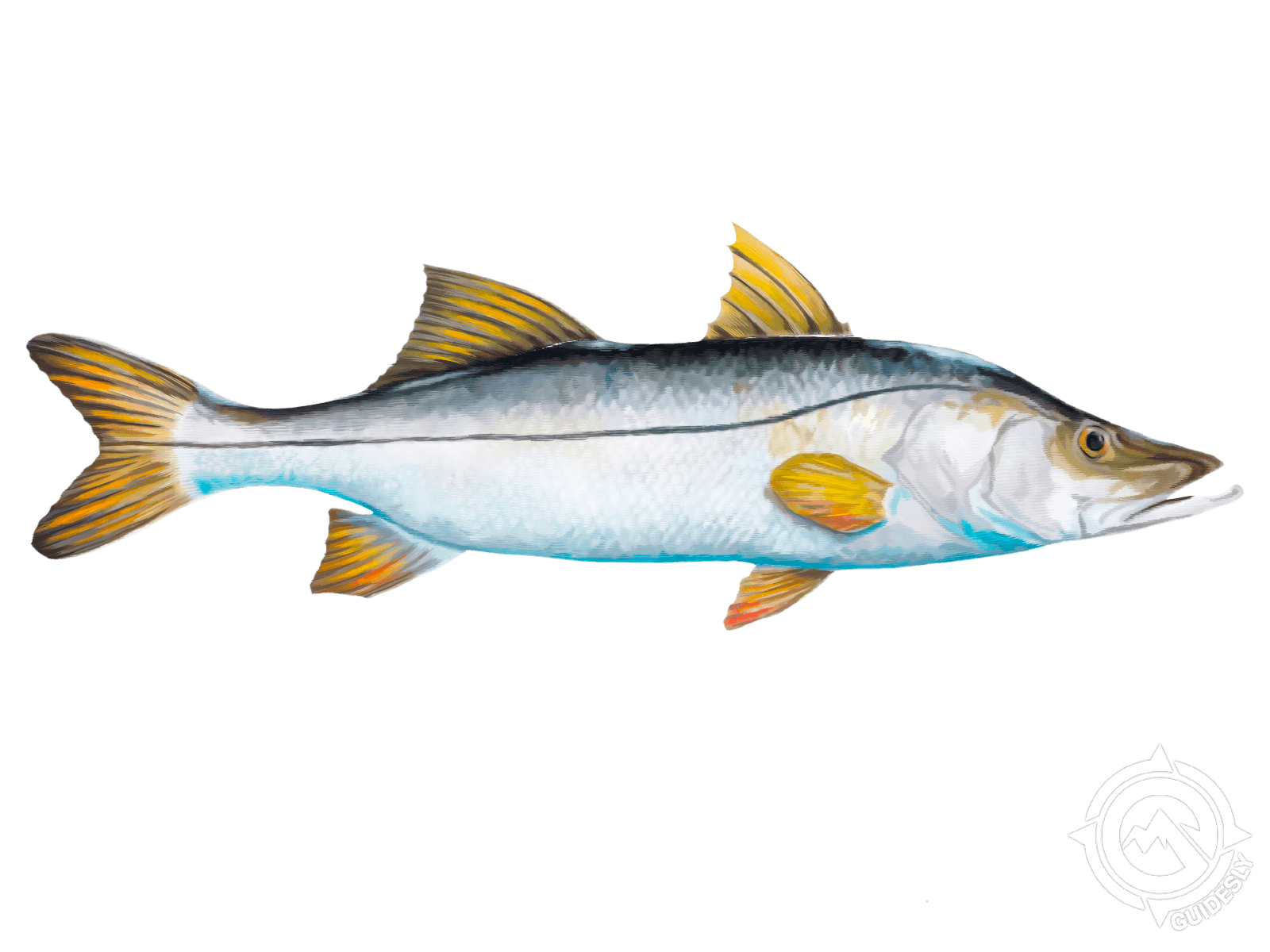
More species you can explore on this trip
Sovrn Sky Outfitters Available Trips
You'll be heading out on the water in an inflatable boat setup that's perfect for navigating Oregon's coastal rivers. This type of vessel gives you great mobility along the water, letting you reach productive fishing zones and adjust your position based on where the fish are biting. The inflatable design keeps things stable and nimble, so Captain McKinnis can position you in the sweet spots without hassle. You'll have solid footing and comfortable seating while you cast, plus the boat's layout gives you plenty of room to move between positions if you're fishing with a partner. The early morning launch means you'll be on calm water, and the boat handles the river conditions smoothly. Everything's set up for practical fishing - easy access to gear, comfortable spacing for two anglers, and a captain who knows exactly where to go for the best action. It's a straightforward, functional setup designed to get you fishing efficiently.